
EP ThermoSolutions™
Insulation Showroom
Insulation & Energy Upgrades. Six EP ThermoSolutions™ systems — attic, retrofit walls, spray foam, crawlspace, foundation wrap, and thermal sheathing. Each one comes in Good, Better, Best, and Premier packages.
EP ThermoSolutions™
Welcome to the EP Insulation Showroom
Insulation & Energy Upgrades. Six EP ThermoSolutions™ systems — attic, retrofit walls, spray foam, crawlspace, foundation wrap, and thermal sheathing. Each one comes in Good, Better, Best, and Premier packages.
Your package level (Good / Better / Best / Premier) determines R-value, material, and coverage — so you can choose confidently.
What This Showroom Is For
Answer five questions before you decide:
- Is this the right insulation for my home and budget?
- What does a proper insulation install include?
- How do blown-in, spray foam, and retrofit compare?
- How do warranties work and what voids them?
- What does Good / Better / Best / Premier mean?
Full Transparency: You'll See What We See
EP ProjectCam™ photo updates keep you in the loop from prep to final walk-through.
No High Pressure. Just Straight Talk.
Information and a price range up front. You decide on your timeline.
What EPHI Stands For
- Clear scopes
- Organized production
- Clean job sites
- Professional communication
- Systems that protect the homeowner
Why Homeowners Trust EPHI
- Transparent process
- No-pressure showroom
- System-based installation
- Real warranty structure
- Long-term protection options
Quick Start
What's the problem you want to fix?
Upstairs is freezing (or roasting)
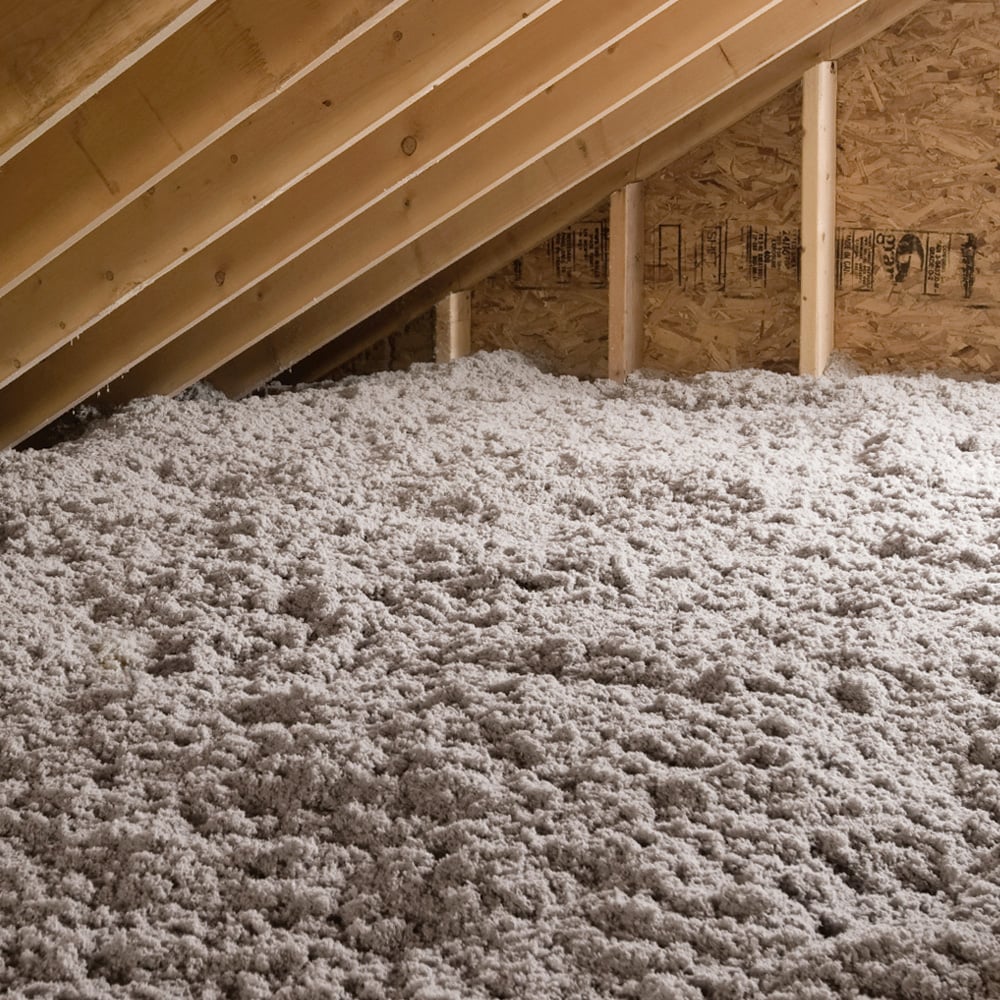
Attic heat loss and missing air sealing — start with blown-in cellulose.
Cold, drafty exterior walls
Existing walls retrofitted from the outside with dense-pack or injection foam.
Drafts, rim joists, or additions
Targeted spray foam where air sealing and R-value have to happen at once.
Not sure — help me choose
Compare attic, wall, spray foam, crawlspace, and foundation systems side by side.
Choose Your Insulation
Our Easy Process
EP ComfortCore™ 8
INSULMAX® blown-in cellulose attic insulation at R-28 — a dependable baseline.
EP ComfortCore™ 12
INSULMAX® blown-in cellulose attic insulation at R-42 — better comfort.
PopularEP ComfortCore™ 16
INSULMAX® blown-in cellulose attic insulation at R-56 — long-term comfort.
EP ComfortCore™ 20
INSULMAX® blown-in cellulose attic insulation at R-70 — maximum efficiency.
Included in Every Package
- Pre-inspection of existing insulation condition and R-value
- Air sealing completed before adding insulation (always)
- Proper ventilation maintained — soffits never blocked
- Baffles installed at eaves to maintain balanced airflow
- Recessed light covers where required by code
- Vapor barrier per climate zone requirements
- Work area protection with drop cloths and barriers
- Thorough cleanup with debris removal
- Final walkthrough with thermal performance review
- Documentation for utility rebates and tax credits
Pick Your Package
EP ComfortCore™ 8 — Starter Insulation Upgrade (R-28)
EP ComfortCore™ 12 — Insulation + Basic Air Sealing (R-42)
EP ComfortCore™ 16 — Insulation + Comprehensive Air Sealing (R-56)
EP ComfortCore™ 20 — Maximum Attic System (R-70)
0/4 selected
Six Systems
Explore the Six EP ThermoSolutions™ Systems
Each system targets a different part of your home — pick the one that matches your problem.

EP ComfortCore™
Attic Insulation

EP RetroCore™
Retrofit Wall Insulation

EP FoamCore™
Spray Foam Insulation

EP CrawlGuard™
Crawlspace Encapsulation

EP PanelWrap™
Foundation Wrap

EP ThermoShield™
Thermal Sheathing
Add-Ons, Upgrades & Possible Corrections
Add-Ons
Crawlspace Encapsulation
Best for: Moisture and crawlspace thermal loss
- Heavy-duty 20-mil vapor barrier
- Insulated crawlspace walls
- Moisture management drainage
- Sealed vents and access doors
Basement Wall Insulation
Best for: Cold basement walls
- Rigid foam board or spray foam
- Continuous thermal barrier
- Moisture-resistant materials
- Ready for finishing wall system
Blower Door Energy Audit
Best for: Whole-home air leakage measurement
- Depressurization blower door test
- Infrared thermal scan
- Air leakage CFM measurement
- Written report with recommendations
Thermal Imaging Scan
Best for: Visualize missing insulation and gaps
- Full attic and wall scan
- Before/after comparison images
- Identifies hidden air bypasses
- Documented for rebate programs
Attic Hatch Insulation
Best for: Eliminate a common source of heat loss
- Rigid foam insulated cover
- Weather-stripped perimeter seal
- Hinged or lift-off designs
- Easy homeowner access
Dense-Pack Wall Insulation
Best for: Retrofit wall cavities with cellulose
- No drywall removal required
- Small holes patched after install
- Eliminates wall cavity air gaps
- Significant comfort improvement
Knee Wall Insulation
Best for: Cape cod and split-level homes
- Rigid foam or batt insulation
- Air sealing at top and bottom
- Knee wall door covers
- Thermal break at floor line
Upgrades
EP AirSeal Pro™ Two-Component Foam
Best for: Superior air sealing at all bypasses
- Closed-cell for superior air sealing
- Expands to fill irregular gaps
- Dramatically reduces infiltration
- Before-and-after blower door verification
EP ThermoVerify™ Thermal Imaging
Best for: Verified insulation coverage
- FLIR infrared camera inspection
- Before and after comparison report
- Identifies hidden cold spots
- Documentation for rebates and tax credits
EP EnvelopePlus™ Full System
Best for: Whole-envelope insulation system
- All thermal zones addressed
- Coordinated spray foam + blown-in
- Blower door test included
- Maximum energy savings package
Compare Packages
Side-by-Side Attic Insulation Comparison
See exactly what's included in each tier — highlighted cells show what changes when you step up.
| Feature | GOOD EP ComfortCore™ 8 | BETTER EP ComfortCore™ 12Most popular | BEST EP ComfortCore™ 16 | PREMIER EP ComfortCore™ 20 |
|---|---|---|---|---|
| Package | EP ComfortCore™ 8 | EP ComfortCore™ 12 | EP ComfortCore™ 16 | EP ComfortCore™ 20 |
| Material | Blown-In Cellulose | Blown-In Cellulose | Blown-In Cellulose | Blown-In Cellulose |
| System Level | Starter Insulation Upgrade | Insulation + Basic Air Sealing | Insulation + Comprehensive Air Sealing | Maximum Attic System |
| Best For | Starter insulation upgrade | Better comfort and draft reduction | Best overall value | Maximum attic system |
| Included 1 | Blown-in cellulose insulation | Upgrade to R-42 | Upgrade to R-56 | Upgrade to R-70 |
| Included 2 | Upgrade to R-28 | Basic air sealing | Comprehensive attic air sealing | Advanced full-attic air sealing |
| Included 3 | Improved comfort | Better draft reduction | Stronger thermal performance | Thermal imaging / verification review |
| Included 4 | Reduced heat loss | Better temperature consistency | Greater comfort improvement | Maximum comfort and efficiency |
| Warranty | Manufacturer warranty — details at your visit | Manufacturer warranty — details at your visit | Manufacturer warranty — details at your visit | Manufacturer warranty — details at your visit |
What Changes as You Go Good → Premier
- Better Air Sealing — from basic penetration sealing to a comprehensive two-part foam building-envelope approach
- Better Warranties — transferable coverage and extended labor warranties up to the manufacturer's top tier on Premier
- Higher R-Values — confirmed installed R-values: 8″ = R-28, 12″ = R-42, 16″ = R-56, 20″ = R-70
- More Verification — thermal imaging, blower door testing, and documented energy savings at higher tiers
Progression
What Changes as You Go Good → Premier
Moving up EP ThermoSolutions™ tiers gives you:
Better Air Sealing
From basic penetration sealing to a comprehensive two-part foam building-envelope approach
Better Warranties
Transferable coverage and extended labor warranties up to the manufacturer's top tier on Premier
Higher R-Values
Confirmed installed R-values — 8″ = R-28, 12″ = R-42, 16″ = R-56 and 20″ = R-70 — for real thermal resistance
More Verification
Thermal imaging, blower door testing, and documented energy savings at higher tiers
Premier Tier
Premier Tier: EP ThermoElite™ Envelope System
Complete building envelope optimization with documented pre- and post-installation verification.
Full Envelope Approach
Every thermal zone addressed — attic, walls, rim joists, crawlspace, and basement.
EP Protect+™ Optional Subscription
Add EP Protect+™, our optional subscription maintenance plan, for extended workmanship coverage and annual thermal verification.
Verified Performance
Pre- and post-installation blower door and thermal imaging confirmation documents the improvement in your home.
Selections
Make My Insulation Selections
Your selections save automatically as you browse. Continue to SmartQuote for instant pricing, or schedule a consultation with our insulation specialists.
Your Plan
0/5 selected
Prefer to pay over time?
Financing is available on most projects. Create a free account to see your options.
Ready to Upgrade Your Attic?
No brand shopping required: every EP ComfortCore™ attic package uses the same blown-in cellulose and the same EP install crew. Get your attic numbers with EP SmartQuote+™, or have a specialist measure your existing depth on site.
Project Gallery
Insulation Before & After
Attic Blown-In Insulation
East Lansing, MI
Spray Foam Wall Insulation
Haslett, MI
Cellulose Attic Insulation Upgrade
Laingsburg, MI
Samples
Request Insulation Samples
Frequently Asked Questions — Insulation
What areas of the home should be insulated first?
In most Mid-Michigan homes, the attic is the highest-impact, lowest-cost place to start. Air sealing and attic insulation together address the biggest heat loss before we look at walls, basements, or crawlspaces.
What's the difference between blown-in and spray foam?
Blown-in cellulose is the value workhorse for attics and fills over existing insulation. Spray foam adds air sealing and structure in one step and is ideal for rim joists, additions, and hard-to-insulate cavities. We'll recommend the right one for each area.
How do I know if my attic insulation is low?
If you can see the joists, the insulation is below the top of the wood — that's too low for Michigan. Uneven coverage, gaps, or discolored patches are also signs. We measure the existing depth during the visit.
Can you insulate existing walls without tearing out drywall?
Yes. Dense-pack cellulose and injection foam are installed from the outside through small access holes, so the interior drywall stays in place. It's a retrofit solution for homes with empty or under-insulated wall cavities.
Does insulation help in summer too?
Yes. Insulation resists heat flow in both directions, so a well-insulated attic keeps summer heat out and reduces cooling run time. Air sealing also keeps humid outside air from entering.
Will insulation reduce drafts?
Insulation reduces conductive heat loss, but drafts are mostly air leakage. That's why we air seal before adding insulation — sealing gaps at the top plate, can lights, and penetrations stops the drafts that insulation alone can't.
How long does an insulation project take?
Most attic insulation jobs are done in a day. Retrofit wall and spray foam projects can run one to two days depending on scope. We'll give you an honest timeline at your visit.
Is insulation messy?
Blown-in cellulose is contained to the attic and we protect the work area. Retrofit wall work is done from the exterior. We clean up thoroughly and remove debris as part of every package.
What R-value do I need?
For Mid-Michigan attics, R-49 to R-60 is the common target. Our ComfortCore packages go from R-28 (8″) up to R-70 (20″). We measure the existing depth and recommend the depth that fits your home.
Will insulation pay for itself?
Air sealing and attic insulation typically have the fastest payback of any home improvement because they reduce heating and cooling run time every day. We document the work for any available utility rebates and tax credits.
What's the difference between open-cell and closed-cell spray foam?
Open-cell is softer, lower cost, and good for interior cavities. Closed-cell is denser, adds structural rigidity, and resists moisture — it's the choice for crawlspaces, rim joists, and below-grade walls. We'll recommend the right one for each area.
Is air sealing more important than adding insulation?
Insulation slows heat moving through materials. Air sealing stops conditioned air from leaking out through gaps and cracks. Both are needed — insulating without sealing lets air bypass the insulation, which is why we seal first.
Can insulation help with ice dams?
Yes. Ice dams form when a warm attic melts snow that refreezes at the cold eaves. Air sealing and consistent attic insulation keep the roof deck cold so snow melts evenly. Ventilation and baffles are part of the fix.
Do you cover recessed lights and attic penetrations?
Recessed lights, bath fans, and chimneys are major air-leak paths. We install covers where required by code and seal around penetrations before insulating so the insulation performs as intended.
Will insulation reduce dust in my home?
Air sealing reduces the amount of unconditioned, dusty air pulled in from the attic and walls, so many homeowners notice less dust after air sealing and insulation work.
Can insulation help rooms over garages?
Rooms over an unconditioned garage are often cold because the floor cavity is under-insulated. We can insulate and air seal the floor cavity from below to bring those rooms closer to the rest of the house.
How do you know how much insulation is in my attic?
We measure the existing depth at several points across the attic, note the type and condition, and check for gaps, voids, and discolored patches. That tells us what's there and what depth gets you to the target R-value.
Do you remove old insulation?
Not usually. INSULMAX® cellulose is blown over existing insulation to fill gaps and add depth. We only recommend removal if the existing insulation is contaminated, compressed, or water-damaged — we'll tell you at the inspection.
Is spray foam always the best choice?
No. Spray foam is excellent for air sealing and hard-to-insulate areas, but blown-in cellulose is often the better value for open attics. We recommend the right material for each area rather than one product for everything.
Will insulation make my HVAC run less?
Yes. By reducing heat loss in winter and heat gain in summer, insulation and air sealing let your HVAC system maintain comfort with shorter run times — which can extend equipment life and lower energy bills.
Continue with Insulation
Energy Plus Home Improvements · Michigan Builder License #2102209490
Explore More Tools
Explore More Tools
Continue planning your project with these helpful resources.